

You need automated colony counting.
Reading plates by hand is slow, subjective and hard to audit. Reshape images, counts and sorts up to 700 plates an hour, and keeps every image, count and review as one traceable record.
- Up to 700 plates per hour
- Published validation for several ISO methods
- 21 CFR Part 11
- SOC 2 Type II and ISO/IEC 27001
Choose your lab
Where do you count colonies?
Pick your lab to see the workflow, compliance support and results that matter in your field.
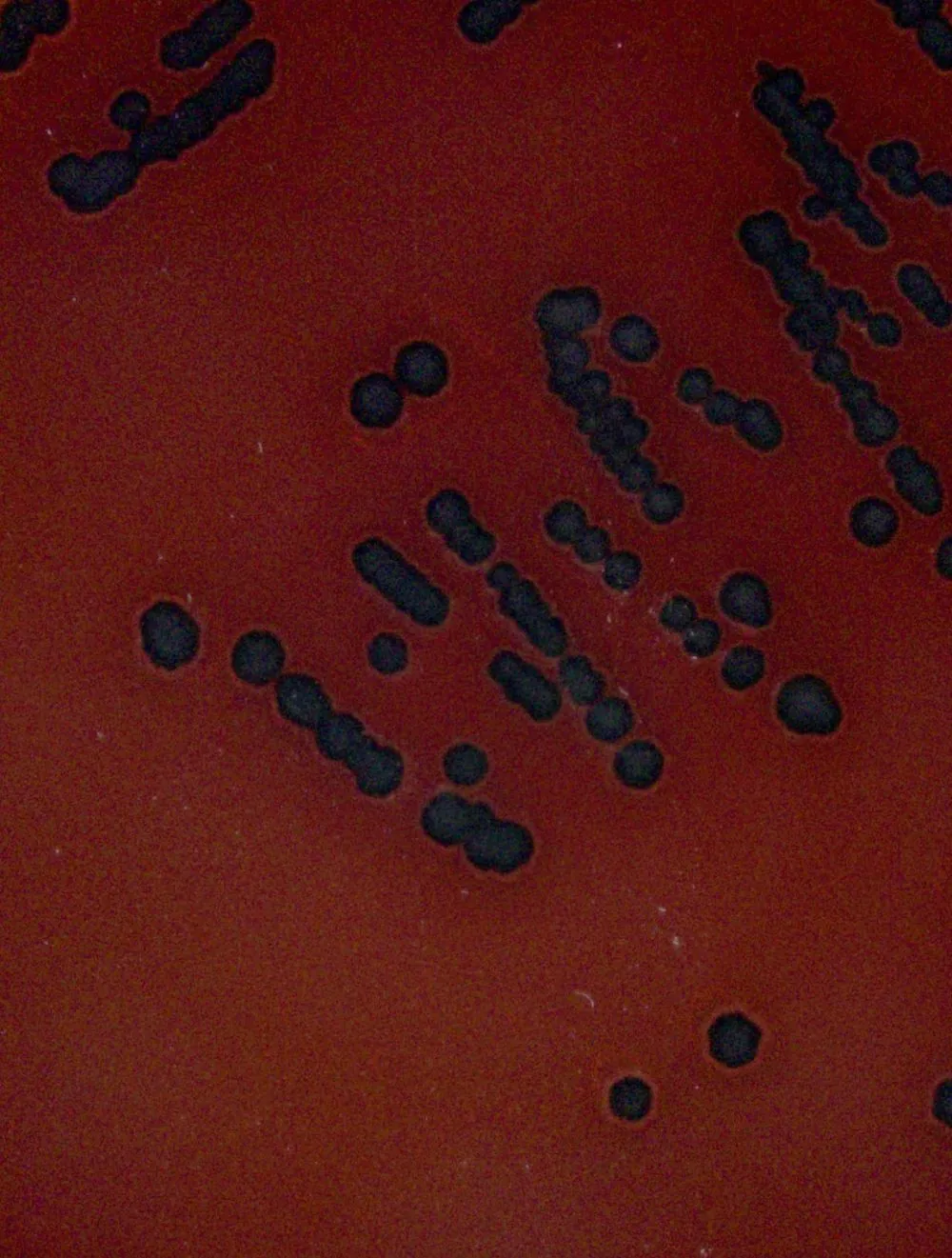
Contract testing
More samples, easier audit
Lower your cost per test, increase throughput, and reduce manual workloads with automated plate reading, results sent directly to your LIMS, and records ready for client audits.
- Results sent straight to your LIMS
- Every plate imaged, timestamped and traceable
- Supports your ISO/IEC 17025 framework

Pharma QC
Make every test verifiable
Automated colony counting and plate sorting for EM, sterility testing, growth promotion testing and microbial enumeration with the plate image kept as the record behind every result.
- Designed to support 21 CFR Part 11 audit trails
- IQ/OQ/PQ, with PQ run against your own analysts
- Digital review with images and full activity history
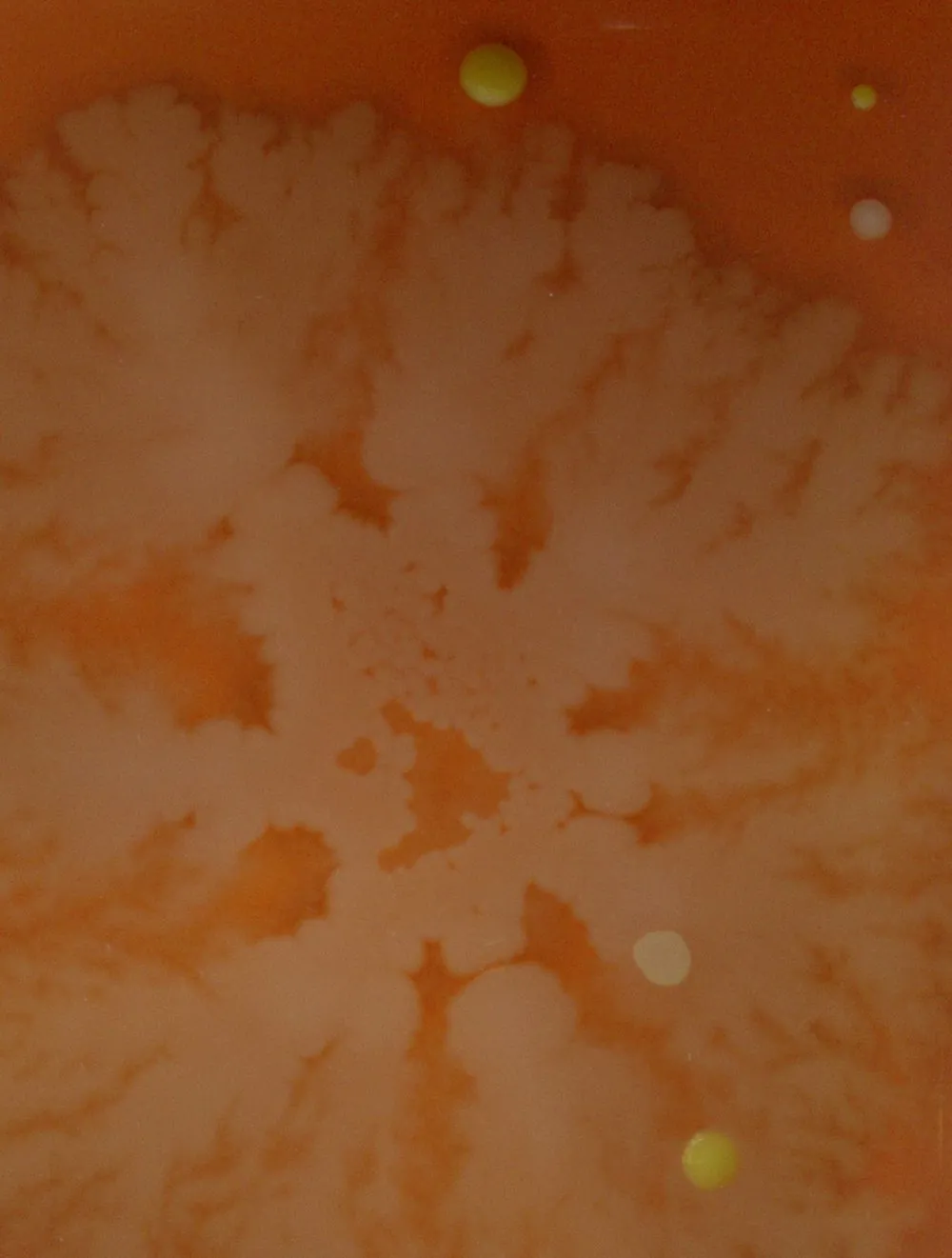
Agriculture and biologicals
Count, score, and compare colonies, leaves, insects, and more.
Automate total viable counts for biostimulants, soil samples and seed coatings, and score halo and antagonism assays from the same images.
- Consistent imaging, around the clock
- Halo zone and antagonism scoring
- 80% fewer false negatives at Syngenta
CPG
Food, beverage and personal care
Automate the plate reading behind product safety, shelf-life and preservative claims, from raw materials to finished goods.
- Total viable counts for raw materials and finished products
- Preservative efficacy and shelf-life testing
- Differential counts for spoilage organisms and contaminants
Counting in another industry? Explore industrials
Why automate
Manual plate reading is a bottleneck you can measure
Every plate read by eye costs analyst time, varies with who reads it and leaves only a number behind. Automation turns each plate into a consistent, reviewable record.
Reading time
1,400–4,300 hours
a year spent reading 10,000 plates a month by hand¹
Operator variability
50%
difference in counts between operators, across 13,000+ plates²
| Criterion | Manual counting | With Reshape |
|---|---|---|
| Throughput | 42–128 seconds per plate¹ | Up to 700 plates per hour |
| Consistency | Analyst-dependent results and double-checking | Standardized AI analysis with exception-based review |
| Evidence | A number on a worksheet | Image, count, reviewer and timestamp kept together |
| Analyst time | Spent on every plate, including empty ones | Only outliers and borderline plates go to review |
| Audits | Days spent pulling paper records | Any plate, result or action retrievable on demand |
| Data flow | Re-typed into spreadsheets or LIMS | Results sent to your LIMS automatically |
¹ 120,000 plates a year × 42–128 s per plate. Microbiology Spectrum read-time studies (2022–2023).
² Marsit et al., Discover Pharmaceutical Sciences (2025), citing Sandle, J. GxP Compliance (2020).
Standards and security
Built for any plate-based method
Reshape automates the plate reading step and leaves your method unchanged, whether you test to ISO, USP or your own SOPs. Your lab qualifies the workflow within its own quality system.
ISO methods
Food and water microbiology, from total viable counts to pathogen detection.
USP and pharma methods
Microbial enumeration, growth promotion testing and environmental monitoring in pharma QC.
General enumeration
Routine CFU counts and TNTC calls on standard media, in any industry.
In-house methods
Models tuned on your own plates and SOPs, then qualified against your analysts.
Two model types do the reading: count models for CFU and TNTC, and classification models for results such as detected or not detected.
Published validation
Accuracy you can check
We benchmark the AI against trained analysts on eight ISO methods and publish the results, so you can judge its accuracy before you qualify it on your own methods.
100%
Pathogen detection agreement with trained analysts, with zero false positives or negatives
ISO 6579 Salmonella (85 images) · ISO 11290-1 Listeria (120 images)
97.48% / 92.75%
Mould / yeast count agreement
ISO 21527 · 39 assays
Pharma GMP
Built for regulated QC
Designed to support your compliance with:
EU GMP Annex 1 (2022)
QA review, trending, investigations and CFU reporting
Clauses 9.11, 9.27, 9.31 and Table 6
21 CFR Part 11
Audit trail and secure records
GAMP 5
Computerized system validation
ALCOA+
Plate image kept as the record
cGMP
IQ/OQ/PQ in five signed records
Trust Center
Audited security and quality
- SOC 2 Type II attested
- ISO/IEC 27001 certified
- Supports ISO/IEC 17025 compliance in your lab
- Contributor to the ISO/TC 34 and DS/S-436 working groups
See it count your own plates.
Tell us your methods and plate volumes. We’ll walk you through the workflow, from barcode scan to LIMS.