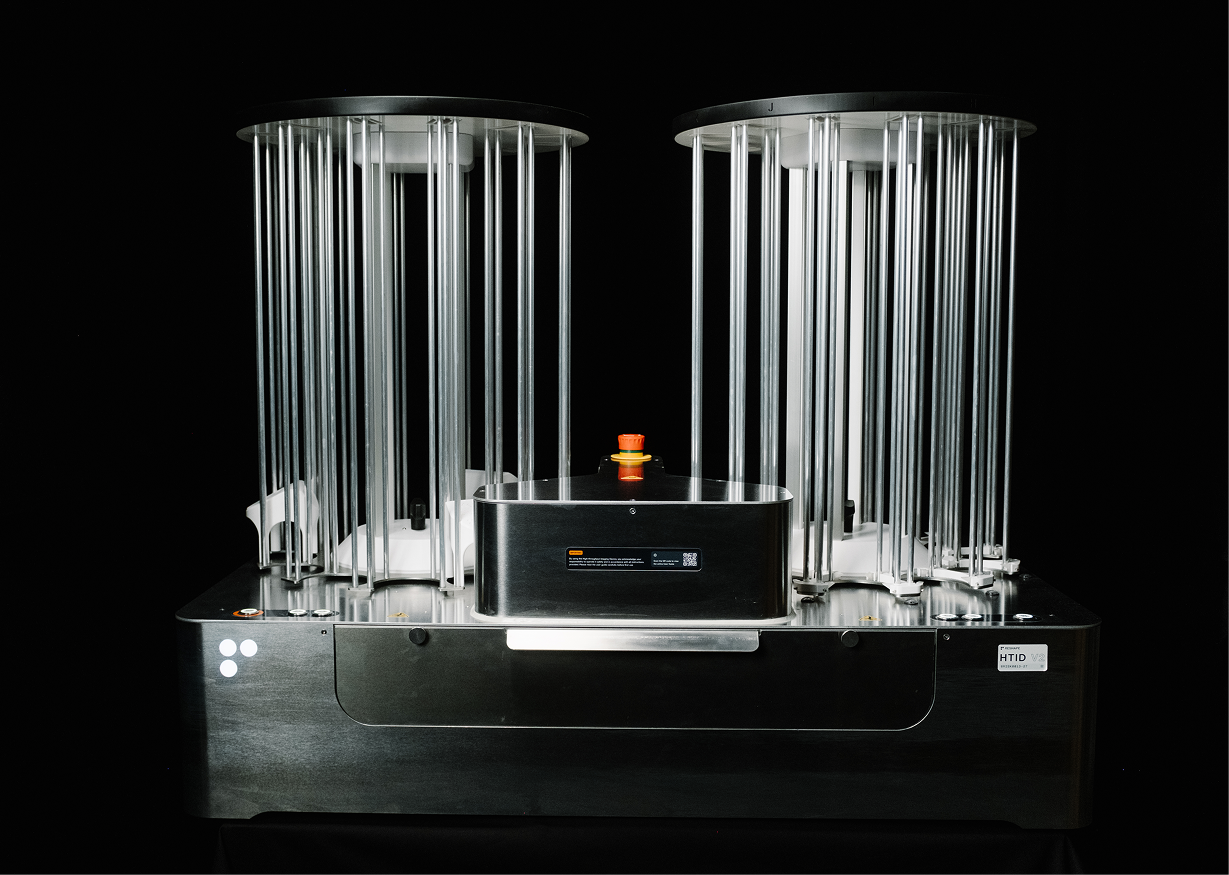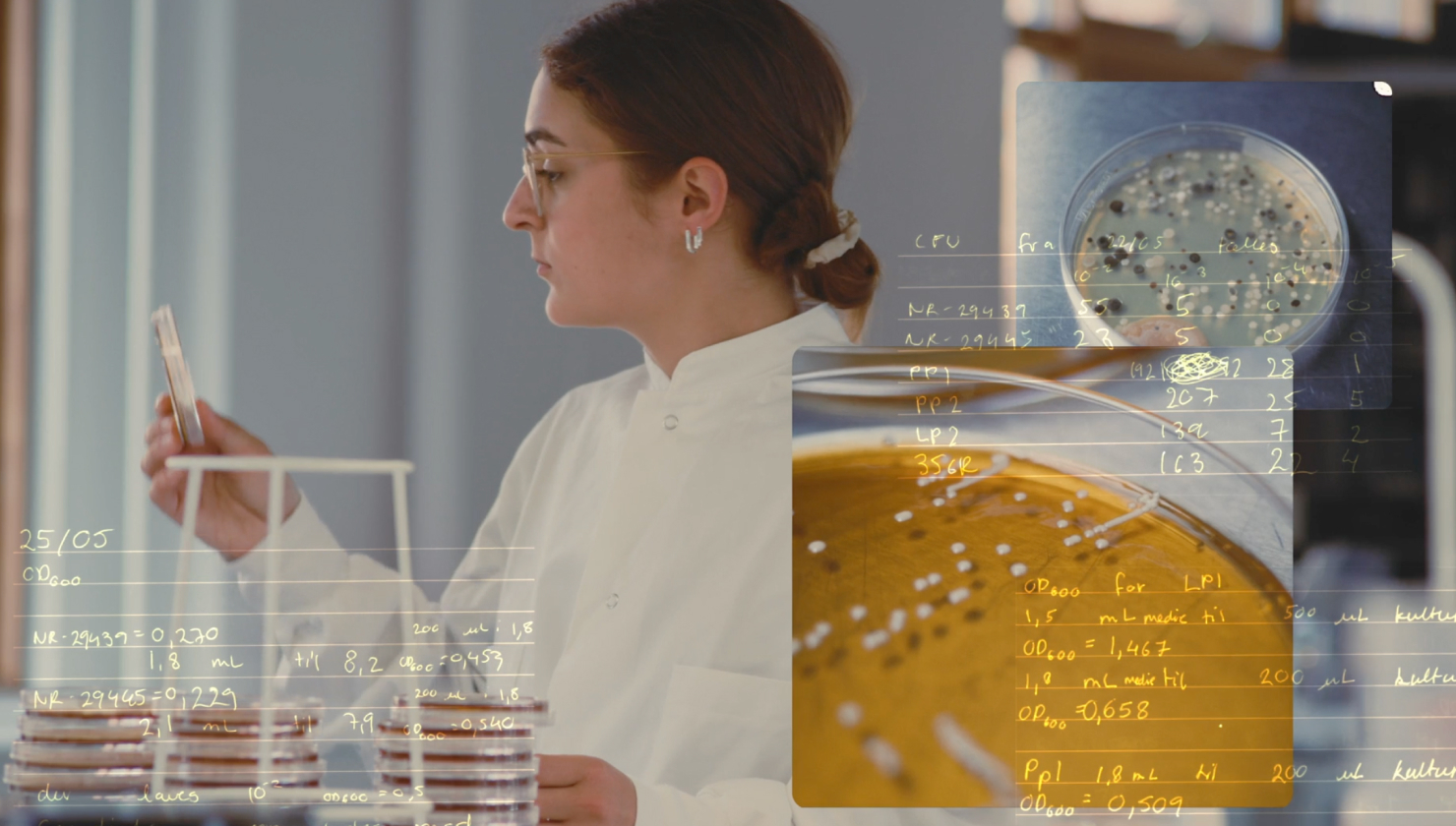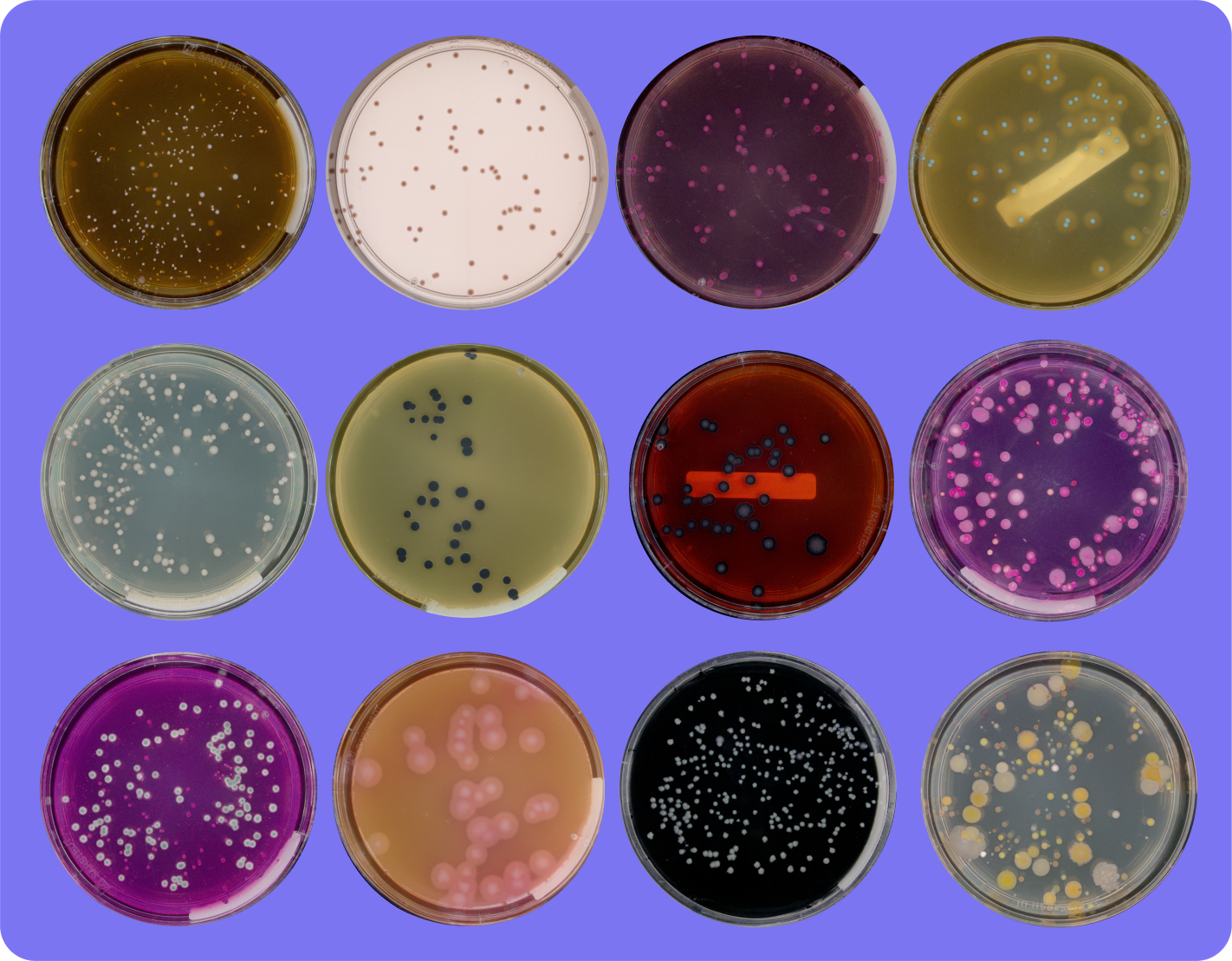

Plate-based microbiology remains a practical foundation for detecting, isolating, and understanding microorganisms. Even as laboratories adopt faster instruments and automated workflows, agar plates still provide visible colony growth, isolation for follow-up work, and valuable context that many rapid methods cannot fully replace. The strongest testing programs often combine rapid microbiology tests with well-chosen agar media so teams can move quickly without losing interpretive confidence.
What role do plates still play in rapid microbial testing?
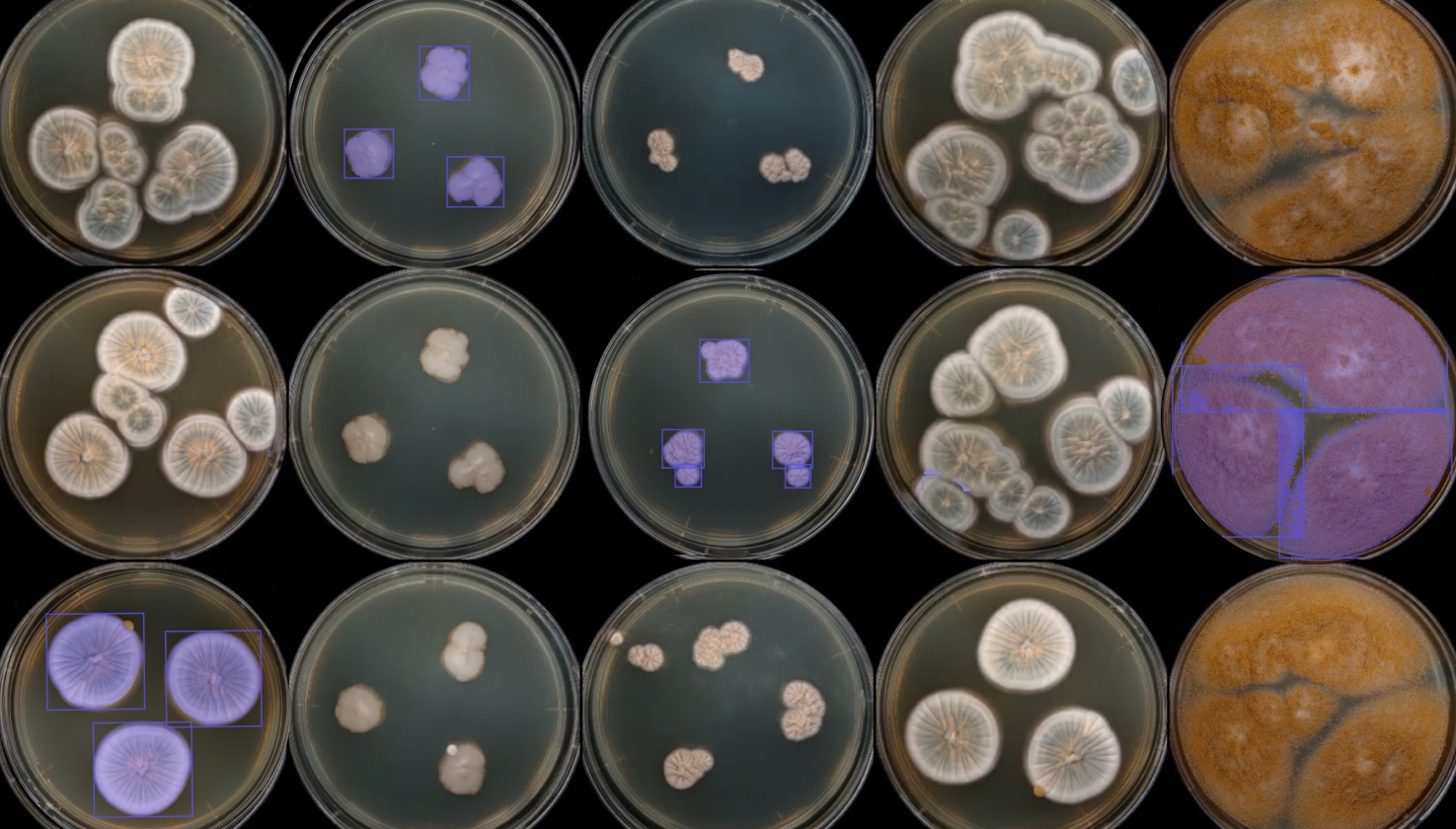
Plates support rapid microbial testing by giving laboratories a physical growth platform for confirmation, enumeration, purity checks, and organism recovery. A rapid method may detect microbial presence sooner, but agar plates help show whether organisms are viable, mixed, stressed, inhibited, or present in colony forms that need further investigation.
They are also valuable when results are ambiguous. In many culture-based methods, colonies with the expected appearance are considered presumptive until they are confirmed through additional testing. Plates allow laboratories to distinguish typical from atypical growth, isolate suspicious colonies, and recover organisms for further identification when a rapid result alone cannot provide enough context.
In practical terms, plates are not simply “old technology”; they are a dependable reference point that can complement speed-focused screening and diagnostic workflows.
In many settings, plate-based methods are used alongside rapid diagnostic tests in microbiology to support decisions about quality, safety, contamination control, or clinical investigation. The rapid test may help prioritize action, while the agar result can add visual evidence and provide material for identification or susceptibility-related follow-up where appropriate. This combination is especially useful when a result must be both timely and traceable.
Common categories of rapid microbiology tests
Rapid microbiology tests vary widely in purpose, complexity, and output. Some are designed to detect organisms directly, while others shorten a traditional workflow after growth has occurred. Choosing the right approach depends on the sample type, target organism, acceptable turnaround time, and what the laboratory needs to do with the result.
Molecular tests
Molecular methods detect microbial genetic material, often using amplification-based techniques. These tests can be highly useful when a laboratory needs targeted detection of a known organism or group of organisms. They may provide answers faster than culture alone, especially when the target is difficult to grow or when early screening is important.
The practical limitation is that molecular detection does not always mean the organism is viable. DNA or RNA may be present even when organisms are no longer capable of growth, depending on the method and sample. For that reason, molecular results are often interpreted alongside culture, sample history, and the testing objective.
Immunological and antigen-based tests
Immunological tests detect microbial antigens or host responses using antibody-based reactions. They are often valued for straightforward workflows and fast readouts. In some applications, these tests can be useful for screening because they do not require the same incubation time as traditional culture.
However, performance depends on the quality of the target, the sample matrix, and the amount of microbial material present. A negative result may not always rule out low-level contamination or infection. Laboratories typically use these methods where the target is well defined and the test has been validated for the intended sample type.
Enzyme and biochemical rapid tests
Biochemical rapid tests detect metabolic activity, enzyme reactions, or substrate use. Many are designed to speed up presumptive identification after a colony has grown on a plate. Instead of waiting through a longer sequence of conventional biochemical reactions, labs can use compact panels or rapid reaction systems to narrow down likely organisms.
These tests are especially helpful after isolation, because colony purity matters. A mixed colony pick can create confusing or misleading results. Good plate technique still plays a major role in making these rapid tools reliable.
Automated growth and detection systems
Automated systems can detect microbial growth signals earlier than manual visual inspection. Depending on the system, they may monitor changes such as fluorescence, color, turbidity, gas production, or other indicators. Automation can reduce hands-on time and help standardize result monitoring.
These systems are not always a replacement for plates. Positive signals may still need subculture, isolation, or confirmation. When paired with appropriate agar media, automated detection can make workflows faster while preserving the ability to recover organisms for additional analysis.
Why does agar selection matter so much?
Agar selection matters because the medium influences what grows, how well it grows, and how easily the laboratory can interpret colonies. The wrong medium can suppress organisms of interest, allow excessive background flora, or make important colony features harder to recognize. The right medium supports the testing objective, whether that objective is general recovery, selective isolation, differentiation, counting, or confirmation.
Agar is more than a solid surface. Nutrients, salts, inhibitors, pH indicators, blood components, chromogenic substrates, and other ingredients can all shape the final result. When laboratories choose agar intentionally, plates become faster to read, easier to interpret, and more useful alongside rapid diagnostic tests in microbiology.
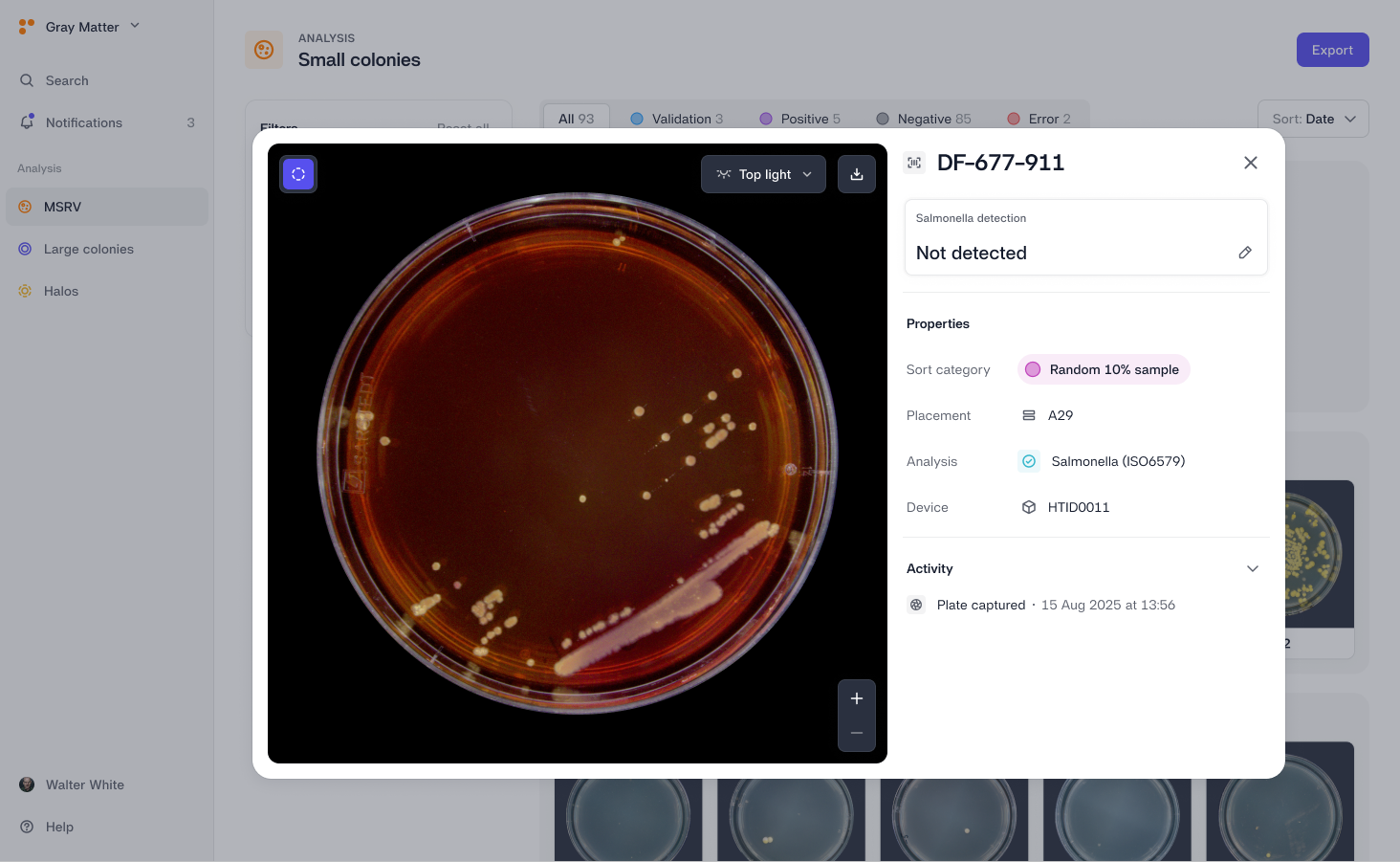
Major agar types used in plate-based microbiology
Different agar types are designed for different questions. A practical microbiology workflow often includes several media rather than one universal plate.
General-purpose media
General-purpose agar supports the growth of many non-fastidious organisms. It is commonly used when the goal is broad recovery rather than selective isolation. These plates are helpful for routine colony observation, purity checks, and general microbial counts.
Because they are broad, they may also allow background organisms to grow. That can be useful when the goal is an overall picture, but less useful when a specific target must be found within a complex sample. In those cases, selective or differential media may be better companions.
Enriched media
Enriched agars contain additional nutrients or biological components that support more demanding organisms. Blood agar is a familiar example in many microbiology workflows because it supports a wide range of organisms and can show hemolytic patterns. Chocolate agar is another enriched medium used when organisms require nutrients released through the preparation process.
Enriched media are valuable when recovery is the priority. They are not always selective, so mixed samples can produce multiple colony types. Careful streaking, incubation, and colony selection remain important.
Selective media
Selective agar contains ingredients that inhibit unwanted organisms while allowing target groups to grow. This is useful when samples contain mixed microbial populations and the laboratory needs to recover a specific type of organism. Selective pressure can come from salts, dyes, antibiotics, bile components, or other inhibitors.
The benefit is clearer isolation of target organisms. The tradeoff is that stressed or low-level organisms may sometimes be inhibited. Laboratories should match selective media to the sample and purpose rather than assuming more inhibition is always better.
Differential media
Differential agar helps distinguish organisms based on visible reactions. These reactions may appear as colony color changes, zones around colonies, precipitates, or changes in the surrounding medium. Differential media can speed interpretation by making certain traits visible directly on the plate.
Some media are both selective and differential, which makes them especially efficient. For example, a plate may suppress many background organisms while also showing a color reaction for organisms with a specific biochemical trait. This kind of design is helpful when rapid screening and easy colony recognition are both important.
Chromogenic media
Chromogenic agars use enzyme-linked color reactions to help identify or presumptively identify organisms. Colonies may appear in distinctive colors based on microbial enzyme activity. This can reduce extra handling by allowing faster visual differentiation directly from the plate.
Chromogenic media can be very practical in busy laboratories because they simplify colony picking and reduce ambiguity. Still, color-based interpretation should follow the manufacturer’s instructions and the lab’s validated procedures. Similar colony colors or atypical reactions can occur, so confirmation may still be needed.
Matching rapid tests and agar to the workflow
The best testing strategy starts with the decision the laboratory needs to make. A method that is excellent for early screening may not be sufficient for organism recovery. A plate that is ideal for broad growth may not be ideal for detecting a specific pathogen or contaminant in a complex matrix.
A useful selection checklist includes:
- Testing purpose: screening, confirmation, enumeration, identification, or investigation.
- Target organism: broad microbial load, specific genus, specific species, or indicator group.
- Sample type: clinical, environmental, food, water, pharmaceutical, or manufacturing-related material.
- Time requirement: immediate screen, same-day presumptive result, or traditional incubation window.
- Need for viable isolate: whether the lab must recover colonies for further work.
- Interference risk: background flora, inhibitors, sample viscosity, preservatives, or low microbial load.
- Validation status: whether the method is suitable for the sample and decision being made.
This approach prevents a common mistake: choosing the fastest test without considering what the result must support. Speed is valuable, but only when the result is meaningful, reproducible, and fit for purpose.
Practical tips for stronger plate-based results
Good technique still matters, even when rapid tools are in the workflow. Plates should be prepared, stored, inoculated, incubated, and read according to validated procedures. Small handling differences can affect colony recovery, morphology, and interpretation.
For more dependable outcomes:
- Use the right medium for the question. Broad recovery, selective isolation, and differentiation are different goals.
- Protect colony isolation. Clear separation makes downstream rapid identification and biochemical testing more reliable.
- Read plates at appropriate intervals. Some reactions change over time, and early or late reading can affect interpretation.
- Document atypical results. Unusual colony appearance, weak reactions, or mixed growth may be important.
- Confirm when needed. Presumptive visual or rapid results should be followed by suitable confirmation when the decision requires it.
Bringing speed and culture together
Rapid microbial testing and agar-based culture are strongest when they are treated as complementary tools. Rapid methods can shorten time to information, while agar plates preserve visibility, recovery, and interpretive depth. Together, they help laboratories act sooner while still maintaining a practical connection to viable organisms and observable growth.
For teams evaluating rapid microbiology tests, the key is not to choose speed over culture or culture over speed. The better goal is a balanced workflow: use rapid tools where they improve decisions, use agar where growth and isolation matter, and make every method choice serve the result the laboratory truly needs.